Consultant Report Template

Posted on 16 views

A well-structured and visually appealing Consultant Report Template is essential for delivering impactful and credible reports to clients. This guide will delve into the key design elements that contribute to a professional and trustworthy report.

1. Establishing a Strong Foundation: The Report Structure

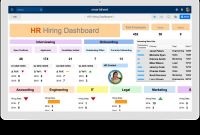
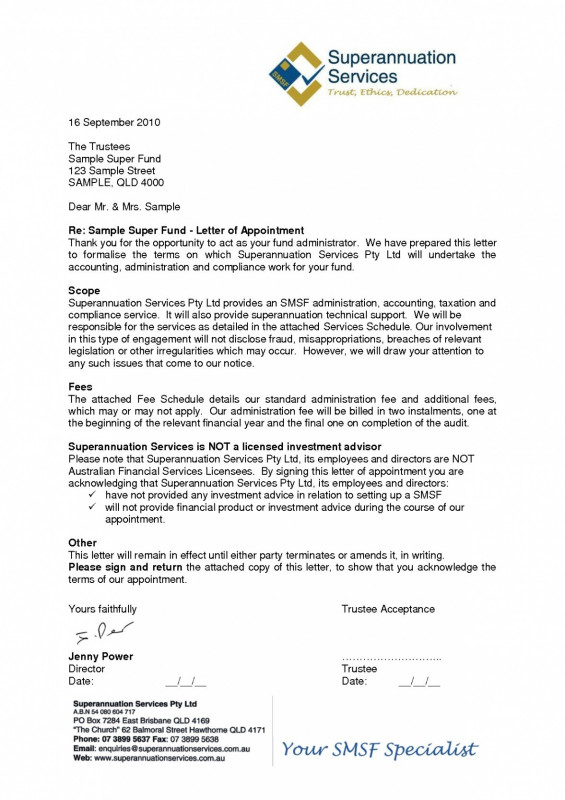
Best Consulting Report Templates & Examples ᐅ TemplateLab

Executive Summary: This concise overview should encapsulate the report’s key findings, recommendations, and conclusions. It’s crucial to grab the reader’s attention immediately and provide a clear understanding of the report’s purpose.

  • Table of Contents: A clear and organized table of contents is vital for easy navigation. It should list the main sections and subsections, along with corresponding page numbers.
  • Introduction: The introduction sets the stage for the report, outlining the background, objectives, and scope of the project. It should clearly state the problem or opportunity being addressed.
  • Methodology: This section details the research methods and data collection techniques used to gather information. It should provide a clear explanation of the processes involved, ensuring transparency and credibility.
  • Findings and Analysis: This is the core of the report, presenting the key findings and insights derived from the data analysis. It should be well-structured, with clear headings and subheadings to guide the reader.
  • Recommendations: Based on the findings and analysis, this section presents actionable recommendations to address the identified issues or capitalize on opportunities. Recommendations should be clear, concise, and supported by evidence.
  • Conclusion: The conclusion summarizes the key findings, recommendations, and implications of the report. It should reinforce the main points and provide a sense of closure.
  • Appendices: Any supporting documents, data tables, or detailed calculations can be included in the appendices. This helps to maintain the report’s clarity and focus on the main findings.

  • 2. Prioritizing Readability and Visual Appeal

    Font Choice: Opt for professional and easy-to-read fonts like Times New Roman, Arial, or Calibri. Avoid overly decorative or difficult-to-read fonts.

    See also  Financial Reporting Dashboard Template: A Comprehensive Guide
  • Font Size and Spacing: Use a consistent font size and line spacing throughout the report. A clear and spacious layout enhances readability.
  • Headings and Subheadings: Employ a hierarchical structure of headings and subheadings to organize the content effectively. Use a clear and consistent formatting style for headings.
  • Paragraph Formatting: Justify the text to create a clean and professional appearance. Use appropriate paragraph spacing to separate ideas and improve readability.
  • Color Palette: Choose a limited color palette that complements the overall design and enhances readability. Avoid excessive use of color, as it can distract the reader.
  • Images and Graphics: Use high-quality images and graphics to visually represent data and concepts. Ensure that images are relevant and enhance the report’s understanding.

  • 3. Cultivating a Professional and Trustworthy Image

    Branding Elements: Incorporate your company’s logo and branding guidelines into the report design. This strengthens brand recognition and reinforces professionalism.

  • Professional Language: Use clear, concise, and formal language throughout the report. Avoid jargon and technical terms that may be unfamiliar to the reader.
  • Proofreading and Editing: Thoroughly proofread and edit the report to eliminate errors in grammar, punctuation, and spelling. This ensures a polished and error-free document.
  • Consistency: Maintain consistency in formatting, style, and tone throughout the report. This enhances the overall professionalism and credibility of the document.

  • 4. Leveraging Technology for Efficiency and Impact

    Word Processing Software: Utilize powerful word processing software like Microsoft Word or Google Docs to create and format your report. These tools offer a wide range of formatting options and templates.

  • Design Software: For more complex design needs, consider using design software such as Adobe InDesign or Canva. These tools allow for greater customization and creative control.
  • Presentation Software: If you need to present your findings to a larger audience, use presentation software like PowerPoint or Google Slides to create visually engaging slides.

    See also  Autopsy Report Template: A Formal Guideline
  • By carefully considering these design elements, you can create professional and impactful consultant reports that effectively communicate your findings and recommendations to your clients.